
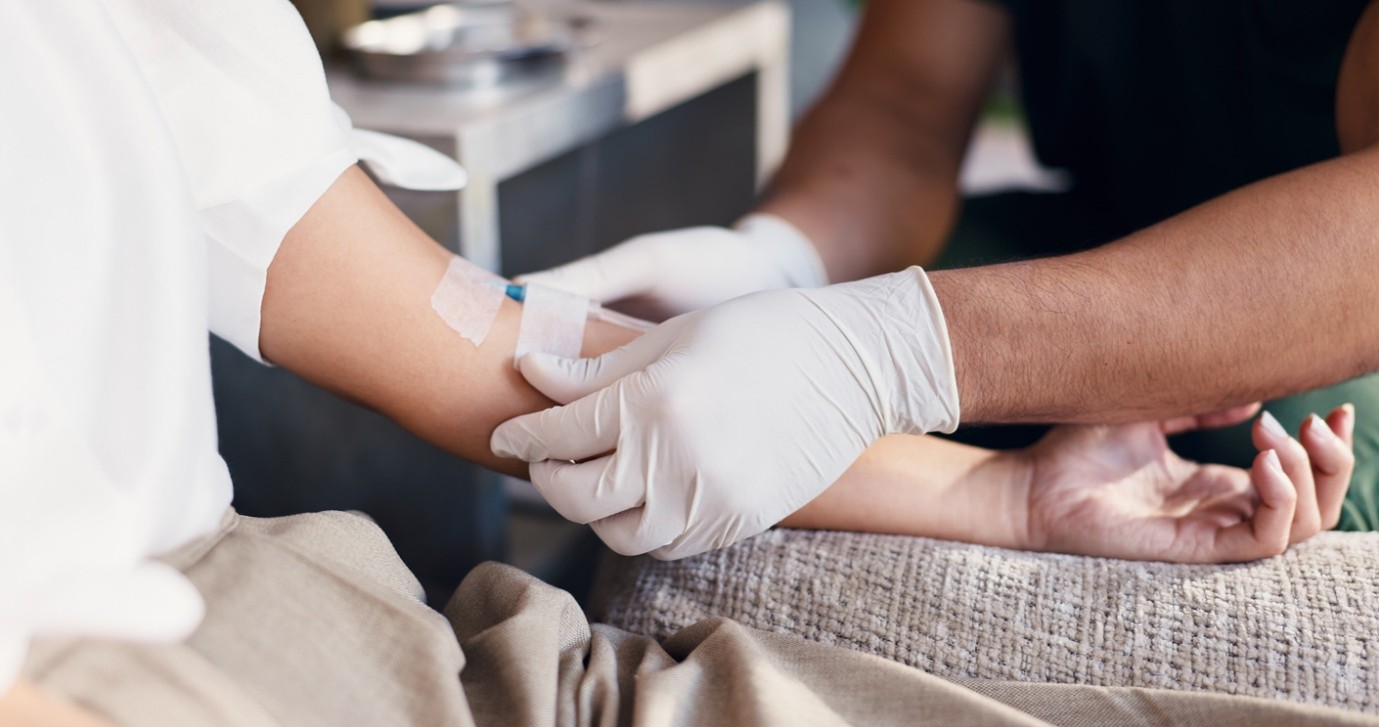
Healthcare systems across the UK and internationally are facing unprecedented pressure. Rising rates of chronic disease, increasing hospital admissions, workforce shortages and ongoing capacity challenges are forcing providers to rethink how care is delivered. One area seeing significant growth is home infusion therapy.
Traditionally, patients requiring intravenous (IV) or subcutaneous (SC) treatments would need to attend hospital outpatient departments, infusion centres or specialist clinics regularly. Today, advances in medical technology and home healthcare services mean many of these treatments can be administered safely and effectively in a patient’s own home.
For healthcare providers, home infusion therapy offers a way to reduce costs, improve patient flow and free up valuable clinical capacity. For patients, it provides greater comfort, convenience and quality of life, as well as faster recovery times and lower infection rates.
As demand continues to rise, devices such as the Freedom60® Syringe Infusion System are helping healthcare organisations deliver reliable, cost-effective infusion therapy beyond traditional healthcare settings.
What is home infusion therapy?
Home infusion therapy involves the administration of medications through intravenous or subcutaneous routes outside of a hospital environment, typically within a patient’s home.
It is commonly used for patients requiring long-term or recurring treatments, including:
- Primary and secondary immunodeficiencies
- Autoimmune diseases
- Inflammatory bowel disease (IBD)
- Neurological disorders
- Rheumatological conditions
- Cancer therapies
- Chronic infections requiring long-term antibiotics
- Pain management
Many of these patients require regular infusions over months or years, making repeated hospital attendance burdensome for both patients and healthcare providers.

The growing demand for home-based care
The home infusion market is expanding rapidly worldwide as healthcare systems seek more sustainable models of care.
Recent market analysis estimates the global home infusion therapy market will reach approximately $35 billion in 2026, and grow to more than $62 billion by 2033, driven by increasing rates of chronic illness and growing demand for patient-centred care. Healthcare providers are increasingly recognising home infusion as an effective alternative to hospital-based treatment pathways.
The National Home Infusion Association estimates that more than 3.2 million patients annually receive home infusion therapies, demonstrating how large the home care market is. On top of this, the American Journal of Nursing notes that advances in infusion technologies, remote monitoring and specialist nursing support have significantly expanded the range of therapies that can now be delivered safely in patients’ homes.
Benefits of home infusion therapy for patients
There are a number of significant benefits of home infusion therapy over traditional hospital infusions, which make it a great option for patients.
Greater convenience and independence
One of the most obvious advantages is the ability for patients to receive treatment without frequent hospital visits. This allows them great flexibility on when they receive treatment, and where, so they can choose a time that’s more convenient for them.
For individuals managing chronic illnesses, travelling to infusion clinics every week or month can significantly impact work, family life and overall wellbeing.
Receiving treatment at home allows patients to:
- Maintain daily routines
- Reduce travel time and expenses
- Minimise disruption to employment
- Spend more time with family
- Receive treatment in a familiar, comfortable environment
Numerous studies have shown that patients consistently report high satisfaction levels with home infusion services and often prefer them to hospital-based treatment.
Improved quality of life
Patients living with chronic diseases already face significant physical and emotional challenges. Reducing the burden of repeated hospital appointments can have a meaningful impact on their mental and physical wellbeing and overall quality of life. It can also help them maintain treatment adherence if they have the flexibility to administer medication at home.
One medical study in the US found that compared to medical setting infusion patients, home infusion patients were no more likely to experience adverse drug effects or side effects, and clinic outcomes were good or better in some instances. It also found patients overwhelmingly preferred home infusion, reporting significantly better physical and mental wellbeing and less disruption of family and personal responsibilities. This combination of clinical effectiveness and patient preference is a major reason why healthcare providers continue expanding home infusion programmes.
For those patients receiving end-of-life care, this could also allow them the ability to spend more time at home with their family and increase their comfort levels by allowing them to remain at home.

Reduced exposure to hospital environments
While hospitals are essential for acute care, they also expose vulnerable patients to infectious diseases and other healthcare-associated risks. Patients with cancer, immune deficiencies and autoimmune conditions may be particularly vulnerable to infections.
Receiving treatment at home can reduce unnecessary exposure to busy clinical environments while still ensuring patients receive the therapy they need. This lowers the risk of them contracting a hospital-acquired infections, which could result in illness, complications, or even hospital admission, which could place further pressure on already overcrowded hospitals.
Benefits for hospitals and healthcare providers
While patient benefits are significant, many healthcare organisations are increasingly adopting home infusion models because of the operational and financial advantages they provide.
Reducing pressure on hospital capacity
Infusion suites and outpatient departments often operate at or near full capacity. By transitioning suitable patients to home-based treatment pathways, healthcare providers can:
- Free up infusion chairs
- Increase outpatient capacity
- Reduce waiting lists
- Improve patient flow
- Support elective recovery programmes
As healthcare demand continues to rise, every available clinical space becomes increasingly valuable.
Lower healthcare costs
One of the strongest arguments for home infusion therapy is cost efficiency. Research published in the National Library of Medicine found that home infusion treatment costs were significantly lower than treatment delivered in medical settings, generating savings of between $1,928 and $2,974 per treatment course.
Additional healthcare analyses suggest that the shift to home infusion can save up to 52% on medical and pharmacy costs. These savings stem from reduced facility costs, lower staffing requirements and decreased utilisation of hospital resources.
Supporting hospital-at-home models
Healthcare systems worldwide are increasingly embracing “hospital-at-home” and community-based care models. These programmes aim to deliver appropriate care in lower-cost settings while maintaining high standards of clinical safety.
Home infusion therapy fits naturally within this strategy, allowing hospitals to reserve inpatient beds for patients requiring acute interventions while enabling others to continue treatment safely at home.
A recent healthcare analysis noted that hospitals are increasingly moving long-term infusion patients away from hospital outpatient settings, citing lower costs, improved patient satisfaction and advancements in home-based treatment technologies.

Improved resource utilisation
Staffing shortages remain a major challenge across healthcare systems. By shifting suitable patients into home infusion programmes, organisations can better allocate specialist nurses, pharmacists and clinical staff to higher-acuity patients who require hospital-based care. This helps maximise the value of existing resources while improving service delivery.
Why device selection matters
The success of any home infusion programme depends heavily on selecting the right equipment.
Home care providers need devices that are:
- Simple to use
- Reliable
- Portable
- Comfortable for patients
- Easy to train patients and carers on
- Cost-effective to deploy at scale
Complicated electronic pumps may not always be necessary, particularly for subcutaneous infusion therapies commonly used in immunology and chronic disease management. This is where the Freedom60® Syringe Infusion System offers significant advantages.
The Freedom60® Syringe Infusion System: designed for home care
The Freedom60® Syringe Infusion System has become a trusted solution for home and ambulatory infusion therapy because of its simplicity, reliability and patient-friendly design.
Unlike traditional electronic infusion pumps, the Freedom60 uses a precision mechanical system to deliver medication at a controlled rate without batteries, programming or electronic components. It can accommodate all dosing ranges, but is ideal for patients who need regular infusions of 35ml or more. This provides several important advantages for home healthcare providers.
- Simplicity and ease of use – The Freedom60 is designed to be intuitive for both clinicians and patients. Its simple operation reduces training requirements and helps support patient confidence when managing therapy at home.
- Portability and patient comfort – Compact and lightweight, the Freedom60 enables patients to move freely during treatment rather than being tethered to large infusion equipment. This helps support independence and improves the overall treatment experience.
- Reduced maintenance requirements – With no batteries, charging requirements or electronic programming, the Freedom60 minimises maintenance demands and reduces potential points of failure. This can lower operational costs for healthcare organisations managing a large number of patients.
- Proven for subcutaneous infusion therapy – The Freedom60 is widely used for therapies including immunoglobulin administration and other subcutaneous treatments commonly delivered in home settings. Its controlled delivery system supports consistent therapy administration while maintaining patient comfort.
Conditions that can often benefit from home infusion therapy treatment
Healthcare providers are increasingly using home infusion therapy for patients with:
- Immunodeficiency disorders – Patients requiring long-term immunoglobulin replacement therapy can often self-administer treatment safely at home using systems such as the Freedom60.
- Autoimmune diseases – Many biologic therapies used to manage autoimmune conditions can be delivered through home infusion pathways, reducing the need for frequent clinic attendance.
- Inflammatory bowel disease – Patients with Crohn’s disease and ulcerative colitis often require long-term biologic therapies that can be supported through community and home care programmes.
- Cancer care – Certain oncology treatments and supportive therapies can be safely delivered in home environments where clinically appropriate.
- Neurological conditions – Patients managing chronic neurological disorders often benefit from long-term infusion therapies that are well suited to home administration.
Amdel Medical: Supporting the future of home infusion care
As demand for home-based healthcare continues to grow, providers need trusted partners capable of supplying reliable, clinically proven solutions.
Amdel Medical works with hospitals, community healthcare teams, infusion providers and home care organisations across the UK to support the delivery of safe and effective infusion therapy outside traditional healthcare environments.
Alongside the Freedom60® Syringe Infusion System, Amdel Medical provides a comprehensive range of infusion therapy products and specialist expertise to help organisations develop and expand home infusion programmes.
Whether you’re looking to improve patient experience, reduce hospital pressures or build a scalable home care service, Amdel Medical can help identify the right solutions for your clinical requirements. To learn more about the Freedom60® Syringe Infusion System, our other home care infusion products, and how Amdel Medical can support your home infusion programme, contact our team today.